

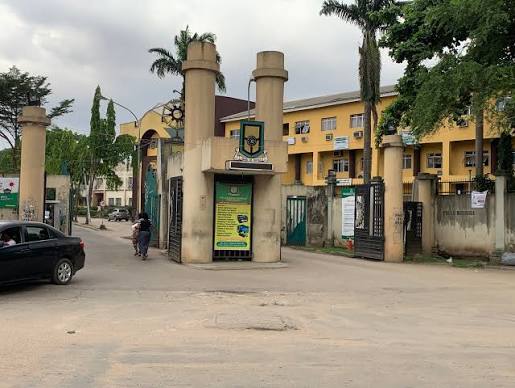
Yabatech, Ilaro Poly, Laspotech Top Webometrics Ranking of Nigerian Polytechnics.
Yaba College of Technology (Yabatech), Federal Polytechnic Ilaro, and Lagos State Polytechnic (Laspotech), Ikorodu, have come out on top as Nigeria's three best-performing polytechnics in the latest edition of the Webometrics ranking, a Spain-based global assessment that evaluates higher education institutions around the world.
The achievement, however, comes with a sobering caveat. Despite leading the pack at home, none of the three institutions, nor indeed any other Nigerian polytechnic, managed to break into the global top 6,500. Yabatech, the highest-placed of the trio, came in at 6,754th worldwide. Federal Polytechnic Ilaro followed at 8,321st, while Laspotech rounded out the top three domestically at 8,689th globally. The gap between Nigeria's best polytechnics and the world's leading institutions remains, by these numbers, considerable.
There is, though, a notable point of pride buried within Laspotech's result. Its global position makes it the highest-ranked state-owned polytechnic in the entire country, a distinction that sets it apart from the largely federal-dominated upper tier of the domestic rankings.
So how exactly does Webometrics arrive at these figures? According to the organisation, institutions are judged against four core criteria: openness, impact, presence, and what it calls excellence rank. Together, these measures attempt to capture not just an institution's academic reputation in the traditional sense, but how visible, accessible, and influential it is online, a reflection of the increasingly digital nature of how academic work is shared and consumed today.
Webometrics describes itself as running the largest academic ranking exercise of its kind anywhere in the world, built on web-based composite indicators rather than the more conventional metrics that dominate rankings like Times Higher Education or QS. The organisation is fairly explicit about its underlying purpose too. It says the ranking exists primarily to push universities and polytechnics toward strengthening their online academic presence and to encourage open-access initiatives, the kind of efforts that widen the transfer of scientific and cultural knowledge to the general public rather than keeping it locked behind institutional walls or paywalls.
Beyond simply producing a league table, Webometrics also positions the exercise as a tool for driving broader institutional change. The idea, as the organisation frames it, is that the ranking should nudge institutions toward greater scholarly engagement and encourage them to think more strategically about their long-term academic direction, rather than treating web visibility as an afterthought.
For Nigerian polytechnics, the ranking offers a useful, if humbling, benchmark. While Yabatech, Federal Polytechnic Ilaro, and Laspotech have distinguished themselves domestically, their global standings suggest there is still considerable ground to cover if Nigerian institutions hope to compete more closely with their international counterparts on the metrics Webometrics prioritises: online visibility, open access, and digital scholarly footprint.
Looking beyond the top three, the rest of Nigeria's leading polytechnics, as ranked by Webometrics, paints a picture of a sector spread across the country, with federal institutions dominating much of the list. In order, the remaining top-ranked polytechnics are as follows:
Auchi Polytechnic comes in next, followed by Federal Polytechnic Ado-Ekiti and Federal Polytechnic Nekede in Owerri. Federal Polytechnic Ede and Federal Polytechnic Bauchi round out the next tier, ahead of Moshood Abiola Polytechnic in Abeokuta.
Further down the list, the Petroleum Training Institute in Effurun makes an appearance, a reminder that specialised technical institutions also feature prominently in these rankings. It's followed by the Air Force Institute of Technology, an institution whose presence on the list highlights how military-affiliated technical schools are also carving out a place in Nigeria's polytechnic education landscape.
The Institute of Management Technology (IMT) in Enugu follows next, before Federal Polytechnic Offa, Federal Polytechnic Bida, and Federal Polytechnic Oko continue the list. Kwara State Polytechnic in Ilorin then appears, offering another example of a state-owned institution holding its own among a list otherwise dominated by federal polytechnics.
Federal Polytechnic Idah comes next, followed by Akwa Ibom State Polytechnic in Ikot Osurua and Abia State Polytechnic, both further examples of state institutions making their mark on the national list. Akanu Ibiam Federal Polytechnic in Unwana and Federal Polytechnic Nasarawa follow, before Imo State Polytechnic in Umuagwo-Ohaji continues the sequence.
Polytechnic Ibadan appears next on the list, followed by Nuhu Bamalli Polytechnic and Rufus Giwa Polytechnic in Owo. Plateau State Polytechnic in Barkin Ladi and Delta State Polytechnic in Otefe-Oghara follow closely behind.
Rounding out the list are Gateway ICT Polytechnic in Saapade, commonly known as GAPOSA, Kogi State Polytechnic in Lokoja, and finally Edo State Polytechnic in Usen, which closes out the top-ranked institutions in this year's assessment.
Taken as a whole, the list underscores a few recurring patterns worth noting. Federal polytechnics make up the clear majority of Nigeria's top performers, a reflection perhaps of the funding and infrastructural advantages many of them enjoy compared to their state-owned counterparts. Even so, institutions like Laspotech, Kwara State Polytechnic, Akwa Ibom State Polytechnic, Abia State Polytechnic, Imo State Polytechnic, Plateau State Polytechnic, Delta State Polytechnic, and Kogi State Polytechnic demonstrate that state governments are far from absent in the race for digital academic visibility. Their presence throughout the list, rather than being clustered only at the bottom, suggests that strong web presence and open-access practices are achievable regardless of an institution's federal or state status, provided the right investment and strategic priority are in place.
The presence of specialised institutions such as the Petroleum Training Institute and the Air Force Institute of Technology also points to something worth reflecting on: technical and vocational education in Nigeria isn't confined to conventional polytechnics alone. These niche institutions, built around specific industries or sectors, are clearly finding ways to establish credible academic footprints online, keeping pace with, and in some cases outperforming, more generalist polytechnics.
Still, the broader takeaway from this year's Webometrics exercise is hard to ignore. However well Nigerian polytechnics may perform against one another domestically, the gap separating even the very best of them (Yabatech included) from the global top 6,500 remains substantial. Whether this stems from limited investment in digital infrastructure, weaker institutional repositories, less emphasis on open-access publishing, or a combination of all three, is a question worth further scrutiny. What is clear, though, is that Webometrics' own stated goals, encouraging openness, boosting online visibility, and strengthening open-access research culture, point toward a specific roadmap for improvement.
For now, Yabatech, Federal Polytechnic Ilaro, and Laspotech can rightly claim bragging rights as Nigeria's most digitally visible and academically engaged polytechnics, at least by Webometrics' particular yardstick. Whether domestic leadership translates into meaningful movement up the global rankings in future editions will likely depend on how seriously these institutions, and the dozens of others on this list, take the underlying push toward openness and digital scholarly engagement that Webometrics says its rankings are ultimately designed to encourage.