

World Bank Urged for Greater Investment in Education for Vulnerable Children.
Education and World Bank Stakeholders have compelled governments, private institutions, and partners to raise funding for education, healthcare, and the feeding of internally displaced children, emphasizing that Nigeria's future workforce and economic growth could suffer from insufficient investment.
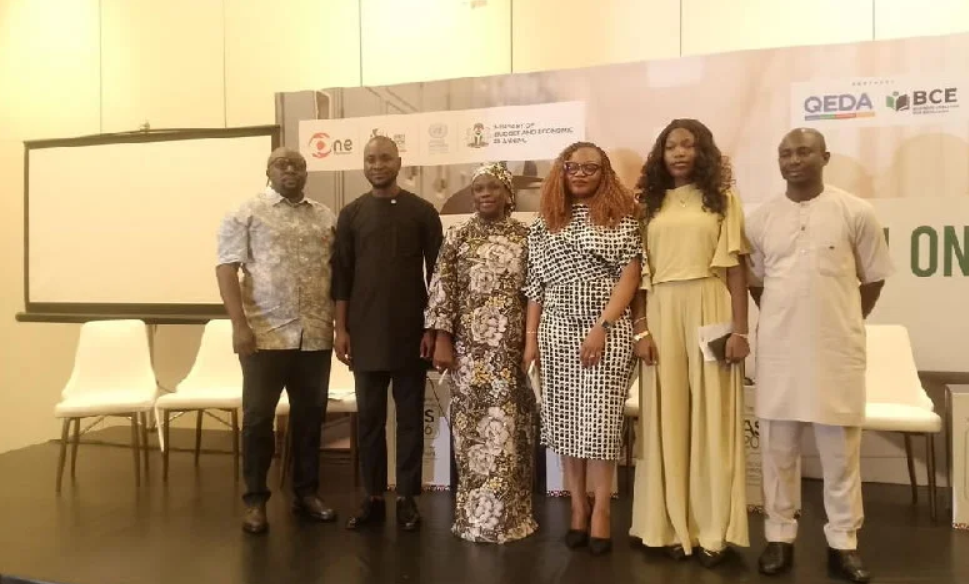
The Petition was placed during a Panel discussion at the Africa Social Impact Summit held in Lagos, which focused mainly on the need to finance early childhood education and development in communities impacted by strife and humanitarian predicaments.
According to the United Nations Refugee Agency, Nigeria has about 3.7 million persons who are displaced, mainly as a result of years of uprising in the North-East.
Senior Social Development and Safeguards Specialist, Zara Goni, who delivered remarks on behalf of Senior Health Specialist Dr. Ritgak Tiiley-Gyado, emphasised that children who live in displacement camps and unrest-affected areas should continually have access to quality education and important social services.
Zara further explained that research has proven that when children are invested in during the days of their inception, it will lead to an opportunity for them to have a chance to live a healthy life and, by extension, achieve stronger economic results in adulthood. According to her, early childhood development is paramount in mitigating poverty, enhancing public health and boosting social stability.
Moreover, drawing on humanitarian operations experiences across the North-East, the World Bank stated the significance of ensuring that displaced children have access to appropriate education, healthcare and nutrition in spite of security challenges. It was stated that keeping vulnerable children safe remains important to Nigeria's long-term development.
Education and development sector experts such as the Nigeria Coalition on Early Childhood Development in Crisis, Sterling One Foundation and Plan International were featured in the panel.
Arome Agenyi, the National Coordinator of the Nigeria Coalition on Early Childhood Development in Crisis, summoned the Federal Government to make more provisions for resources for early childhood education, as the sector currently receives only about one percent of the national education budget.
He also urged private organisations and philanthropists to increase their support, admonishing that the failure to invest in young children could have lasting effects on the country's future. Likewise, Samuel Ajayi, the Sterling One Foundation's Education Programmes Lead, encouraged stronger collaboration between the public and private sectors to enhance funding for early childhood education and secure sustainable support for vulnerable children.