

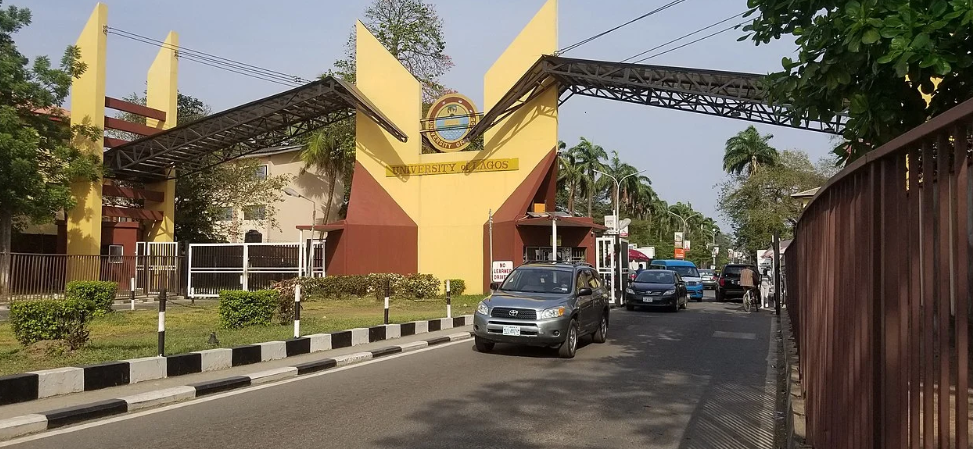
UNILAG Confirms Safe Return of Exchange Students Stranded in China
A group of University of Lagos (UNILAG) students who were reportedly stranded in China after completing a one-year academic exchange programme are now on their way back to Nigeria, following intervention by the university.
The situation attracted public attention after concerns about the students' welfare were raised on social media, with members of the public calling on the university and other relevant authorities to step in.
UNILAG has since confirmed that the students have been assisted and are travelling back home.
While the immediate situation appears to have been resolved, questions remain about how the students ended up stranded in the first place and whether the travel arrangements for the exchange programme were properly handled.
How the Situation Started
The issue came into the public spotlight on Monday after an X user, Turah BMG (@Osunwede), made an appeal for urgent assistance on behalf of the students.
According to information shared on X, the students had completed a one-year academic exchange programme in China and were trying to return to Nigeria when they ran into difficulties with their travel arrangements.
For students who had already spent a full year away from home, the situation reportedly became particularly stressful as they struggled to find a way to continue their journey.
Social media users began sharing the story, increasing pressure for the university and other relevant parties to respond.
As is often the case with incidents that gain attention online, several versions of what happened began circulating. While some details have been reported by those involved or by people claiming knowledge of the situation, not all of the allegations have been independently verified.
The Qatar Stopover Became a Problem
One of the major issues reportedly involved the students' return flight.
According to posts shared on X, their planned journey included a 27-hour stopover in Qatar.
This reportedly created a problem because Qatar generally requires a visa for transit arrangements exceeding 24 hours, depending on the circumstances of the traveller and itinerary.
As a result, the students allegedly could not simply continue their journey as originally planned.
For someone travelling internationally, a long stopover might seem like a minor inconvenience. But when visa requirements are involved, it can completely disrupt an itinerary.
The students were reportedly left needing an alternative travel arrangement before they could continue their journey to Nigeria.
Reports Say Students Were Stranded in Shanghai
Another claim circulating on social media suggested that some of the students were stranded in Shanghai and subsequently had to travel to Beijing in an effort to find available flights back to Nigeria.
The additional movement reportedly added to the difficulty they were already facing.
There were also allegations online that the problems resulted from poor planning by those responsible for organising the students' return journey.
However, these claims have not been independently confirmed, and UNILAG has not publicly provided a detailed account of how the travel arrangements were made or where the breakdown occurred.
That distinction is important.
While the situation raised legitimate concerns about the students' welfare, the full circumstances surrounding the travel difficulties remain unclear.
UNILAG Vice-Chancellor Steps In
As the story gained attention, reports on X indicated that the Vice-Chancellor of UNILAG intervened, providing financial support to help meet the students' immediate welfare needs while efforts were made to resolve the travel situation.
The intervention appears to have helped move the situation towards a resolution.
UNILAG subsequently addressed the issue publicly through its official X account.
In its statement, the university confirmed that the matter had been addressed and that the affected students had been cared for.
The institution also stated that the students were already on their way back to Nigeria.
UNILAG expressed appreciation to members of the public who brought attention to the situation.
For the students and their families, the confirmation would likely have come as a major relief after what must have been an uncomfortable and uncertain experience so far from home.
Social Media User Thanks UNILAG but Wants Answers
Following the university's intervention, Turah BMG, who initially raised the alarm, thanked the Vice-Chancellor and UNILAG for responding to the situation.
However, she also called for a thorough investigation into what led to the students becoming stranded.
That request is understandable.
Getting the students home addresses the immediate problem, but it does not necessarily answer the bigger questions surrounding the incident.
For students participating in international exchange programmes, travel arrangements are a critical part of the process.
An academic exchange is not simply about securing admission into a partner institution and sending students abroad. Accommodation, insurance, visas, flights, airport transfers and return arrangements all have to be properly coordinated.
When something goes wrong, students can be left exposed in a foreign country with limited resources and little control over the situation.
Allegation Against Programme Lecturer Remains Unaddressed
The situation has also taken another turn following an allegation made by Turah BMG.
She alleged that the lecturer overseeing the exchange programme threatened the students after the issue became public.
This is a serious allegation, but it is important to note that it remains an allegation at this stage.
As of the time of reporting, UNILAG has not publicly commented on the claim involving the lecturer.
The university has also not announced whether an internal investigation has been opened into the circumstances surrounding the students' travel difficulties or the allegation made against the lecturer.
That leaves some important questions unanswered.
Was the students' return itinerary properly checked before they left China? Were visa requirements considered when the flight was booked? Who was responsible for the travel arrangements? And, if mistakes were made, what steps will be taken to prevent something similar from happening again?
These are questions that may need to be addressed, particularly if the university intends to continue expanding international exchange opportunities for its students.
Why International Exchange Programmes Matter
Despite the problems surrounding this particular incident, international exchange programmes remain valuable opportunities for university students.
Spending a year studying in another country can expose students to different teaching methods, cultures, technologies and academic environments.
It can also help students build international networks and gain experiences that may be useful when they eventually enter the workplace.
For Nigerian universities, partnerships with institutions abroad can therefore play an important role in giving students a broader educational experience.
But such opportunities come with responsibilities.
Students travelling abroad through university programmes should be able to trust that the institution and programme organisers have properly considered their welfare from the moment they leave Nigeria until they safely return.
The Immediate Crisis Is Over, But Questions Remain
For now, the most important news is that the UNILAG students are no longer stranded and are travelling back to Nigeria.
The university's intervention has addressed the immediate welfare concern, and that is certainly welcome news for the students, their families and everyone who followed the situation.
However, resolving the immediate crisis should not necessarily be the end of the matter.
If there were weaknesses in the planning or coordination of the students' return, identifying them could help prevent future students from finding themselves in a similar situation.
And if the allegation involving the lecturer is formally investigated, students and the wider university community deserve clarity on what actually happened.
For now, UNILAG has confirmed the students' safe return journey but has not publicly provided a detailed explanation of how the travel problem occurred.
The incident is therefore a reminder that international education opportunities come with more than academic responsibilities. Universities also have a duty to properly plan for the safety, welfare and smooth movement of students placed in their care.
For the affected students, hopefully, the difficult experience will soon be behind them, and their journey home will end safely.