

Nigeria Needs More Polytechnics to Drive Development - Osun Poly Rector
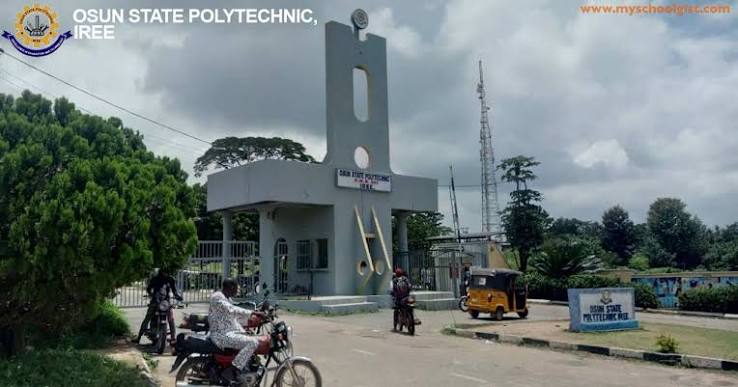
Kehinde Alabi, the Rector of Osun State Polytechnic, Iree, has called on the Federal Government to build more polytechnics across Nigeria; he believes this single step can push the country's growth forward faster than many people imagine. He made this passionate appeal on Monday, during a press conference organized to announce plans for the institution's eighth convocation ceremony, which is set to hold on Thursday. This convocation will celebrate and honour graduates from five academic sessions, starting from 2020/2021 and ending at 2024/2025.
Alabi spoke with conviction about the value polytechnic education brings to the table. He explained that polytechnics train students to work with their hands, to build, to fix, and to create; and these are the exact skills that any nation needs if it truly wants to grow its industries. He did not hold back when addressing the needless rivalry that has grown between polytechnic graduates and university graduates. According to him, this fight makes no sense at all, because both groups were trained for different purposes, and both purposes matter for the country to move forward together.
"Polytechnic graduates are those who have the practical skills that can enhance the development of industries," Alabi said, his words carrying the weight of a man who has watched this argument drag on for far too long. He pointed out that Nigeria's ongoing energy crisis, paired with a shrinking industrial base, has quietly stirred up this unnecessary competition between the two groups; a competition that, in his own words, should never have existed in the first place. He urged Nigerians to stop measuring one type of education against the other, since the two were never built to be compared side by side.
To drive his point home, Alabi looked beyond our shores; he spoke of other countries where polytechnic graduates who study technical courses end up earning more money than their university counterparts. This, he said, proves that polytechnic education carries real weight and real value, and should never be treated as a lesser option by anyone. He warned that Nigeria will keep needing more polytechnics, again and again, unless the Federal Government decides to change its priorities and place more attention on technical and vocational training. Without that shift, he insisted, the demand will only keep growing louder with time.
He maintained, with a firm voice, that there was no basis at all for comparing the two categories of graduates, since each one was trained with a different objective in mind from the very start. A polytechnic graduate and a university graduate, he said, are simply two different products of two different systems, both needed, both important, and both deserving of respect in their own right.
Alabi also used the opportunity to give an update on what to expect during the convocation programme. He announced that Yakib Afolabi, a lecturer from the Department of Business Administration at Federal University Oye-Ekiti, will deliver the convocation lecture on Wednesday. The topic of the lecture is "Entrepreneurship in the Age of Artificial Intelligence: Opportunities for Wealth Creation and National Development," a title that speaks directly to where the whole world is heading today. Taiwo Asaolu, the Vice-Chancellor of the University of Ilesa, will chair this lecture, lending his own weight and experience to the occasion.
Beyond the convocation talk, Alabi shared some good news about the future of the institution's students. He revealed that the polytechnic has now set up a Career Development and Skills Acquisition Directorate; a new unit built purposely to guide students as they grow in their careers, and to arm them with the kind of skills that today's workforce truly demands. This directorate, he explained, will not just sit quietly on paper gathering dust, but will actively work to prepare students for the real world that waits for them outside the classroom walls.
Throughout his address, Alabi's message stayed clear and firm: Nigeria cannot afford to look down on polytechnic education any longer, because doing so only holds the nation back from the growth it desperately needs right now. He believes that if the government truly wants Nigeria to develop at the pace other nations have developed, then technical and vocational training must be given the respect and the investment it deserves. His call was not just a simple request; it read more like a warning, one built from years of watching skilled hands go unrecognized while the country continues to struggle with unemployment and a weak, tired industrial sector.
By the time the press conference ended, one thing stood out clearly from everything Alabi said that day: education, whether it comes from a university or from a polytechnic, was never meant to be a competition between two enemies. Each path was built with its own purpose, and each purpose feeds into the same big goal, which is a stronger and more developed Nigeria for everyone. As the institution prepares to celebrate its graduates on Thursday, and as families gather to watch their own children walk across that stage, Alabi's words leave behind a bigger question for the whole nation to sit with; how much longer will Nigeria wait before it gives polytechnic education the full attention and honour it has always deserved?