

Katsina Denies Recruiting 2,158 Teachers Under TESS Project
The Katsina State Government has moved to clear the air over the recent recruitment of 2,158 teachers, following reports suggesting that the new teachers were employed under the Transforming Education Systems at State Level (TESS) programme.
The state government says that is not the case.
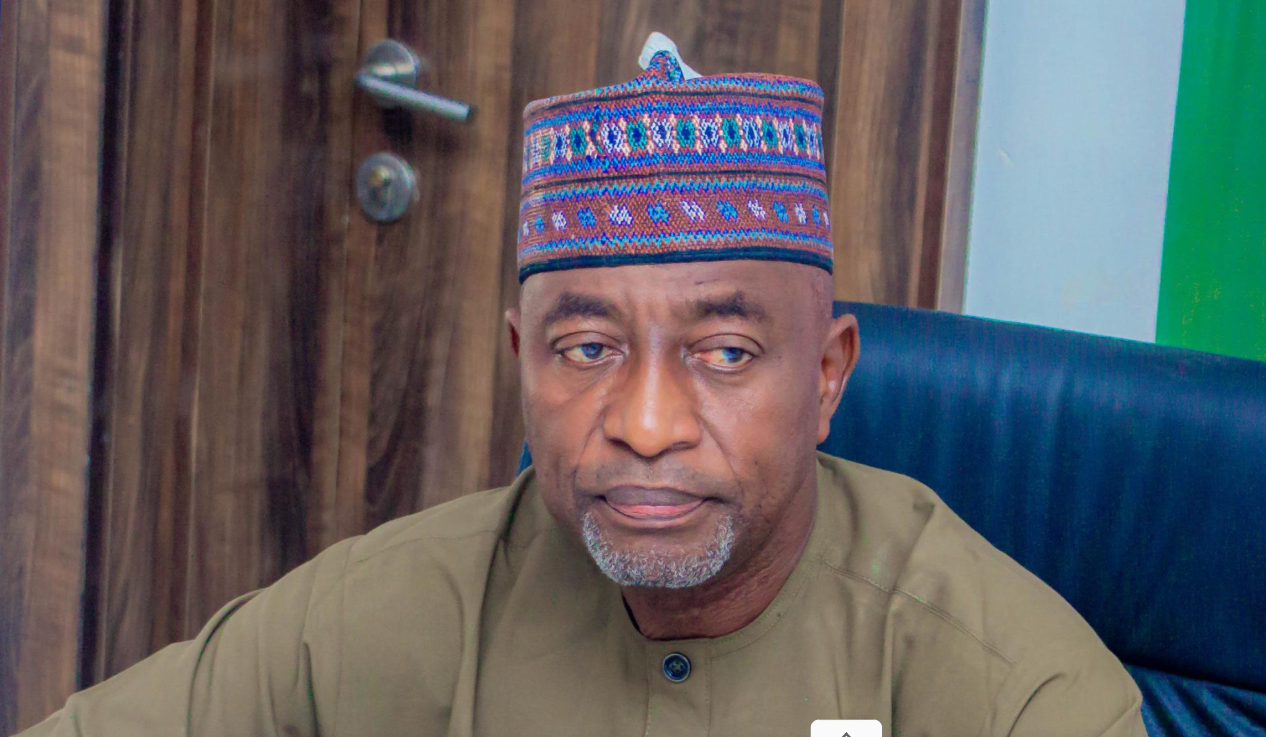
According to the Commissioner for Basic and Secondary Education, Hon. Yusuf Sulaiman Jibia, the teachers were recruited directly by the Katsina State Government through a transparent and merit-based process. He explained that while the TESS project was involved in the recent activities surrounding the teachers, it did not recruit or employ them.
The clarification was made on Wednesday as the government sought to address what it described as a misunderstanding about the recruitment exercise and the role of the TESS programme.
For the newly employed teachers, the clarification is significant because it confirms that they are being brought into the state government workforce rather than being engaged as temporary TESS personnel.
TESS Only Provided a Venue
One of the main points the commissioner addressed was the role played by TESS during the recruitment exercise.
According to Jibia, the TESS project simply provided its office as the venue where appointment letters were distributed to successful candidates.
The recruitment itself, including the funding and employment process, was handled entirely by the Katsina State Government.
In other words, the presence of TESS officials or the use of a TESS facility during the appointment process should not be interpreted as meaning that the programme employed the teachers.
“The teachers are employees of the Katsina State Government and are currently being processed into the state's civil service. TESS did not recruit them,” Jibia stated.
He also explained why it would not make sense to employ permanent government teachers under the TESS programme.
According to him, TESS is a temporary initiative with a fixed lifespan, while the teachers recruited by the state are being employed as part of the permanent government workforce.
“The programme is temporary, and it would not be logical for permanent government teachers to be employed under a project that has a fixed lifespan,” he added.
Why Did Katsina Recruit 2,158 Teachers?
Beyond clearing up the TESS issue, the recruitment itself points to a larger challenge facing education in Katsina State: teacher shortages in public schools.
The commissioner explained that the recruitment exercise was designed to fill existing vacancies across public primary and secondary schools.
Rather than simply recruiting teachers and assigning them wherever there was space, the state reportedly based available positions on the specific needs of individual schools and subject areas.
This meant applicants could apply for positions in schools where teachers were actually needed.
It is an approach that could help address one of the common problems associated with teacher deployment.
In some cases, schools may have too few teachers in particular subjects, while other schools may have teachers who are not necessarily needed in the same numbers. At the same time, teachers may request transfers to areas they consider more convenient, leaving rural schools struggling to maintain adequate staffing.
The Katsina Government hopes the new recruitment strategy can help reduce some of these challenges.
Government Wants More Teachers in Rural Areas
One of the expected benefits of the recruitment exercise is improved staffing in underserved and rural communities.
By linking vacancies to the actual needs of individual schools, the government believes teachers will be more likely to work in locations where they are genuinely required.
The approach is also expected to reduce unnecessary transfer requests.
For students, particularly those in rural communities, having enough teachers can make a significant difference. A school may have classrooms and students ready to learn, but without enough teachers, the quality of education can suffer.
Teacher attendance is another issue the government hopes to improve.
When schools have adequate staffing, it becomes easier to maintain a consistent timetable and ensure that students receive instruction across the different subjects they are expected to study.
The success of the recruitment exercise will ultimately depend on how well the new teachers settle into their assigned schools and whether the government can provide the support and working conditions needed for them to remain there.
More Schools Are Also on the Way
The teacher recruitment is only one part of Katsina State's wider plans for education.
Jibia also revealed that two Special Model Secondary Schools, currently under construction in Jikamshi and Dumurku, are expected to be completed and commissioned within the next three months.
The development could provide additional opportunities for students in the affected areas and expand the state's capacity to provide secondary education.
But the government is also looking beyond these two schools.
According to the commissioner, contracts have been awarded for the construction of 30 new senior secondary schools and 44 junior secondary schools across the state.
That is a combined total of 74 new secondary schools.
The projects are part of the government's efforts to expand access to education, particularly in communities where existing school facilities may not be sufficient to meet demand.
For a state as large as Katsina, expanding school infrastructure is an important part of improving access.
Building schools closer to communities can make it easier for children to attend, particularly in areas where distance and transportation costs may discourage families from sending their children to school.
Teachers and Infrastructure Must Work Together
Recruiting more teachers and building more schools are both important, but neither can solve the education challenge alone.
A new school needs teachers. Teachers need classrooms and learning resources. Students need safe and functional learning environments.
That is why the government's current plans will need to be viewed as part of a bigger education strategy.
The recruitment of 2,158 teachers could help strengthen the human resources available to public schools, while the construction of new schools could increase the number of spaces available to students.
The next challenge will be ensuring that the new facilities are properly equipped and that teachers posted to them have the resources required to do their jobs effectively.
What This Means for Katsina Students
For students and parents in Katsina, the developments could be encouraging if the plans are implemented as expected.
More teachers could mean fewer classes struggling with teacher shortages, while new schools could give more children access to secondary education closer to home.
There is also a potential benefit for teachers themselves.
Because the 2,158 recruits are state government employees rather than temporary TESS workers, the clarification provides greater certainty about the nature of their employment.
For the government, however, recruitment is only the beginning.
Teachers will need continued training and professional development to keep up with changes in teaching methods, technology and curriculum requirements.
Students are also increasingly expected to develop skills beyond simply memorising information. Strong literacy, numeracy, digital skills, critical thinking and problem-solving abilities are becoming increasingly important.
Platforms such as La-Net Hub can complement classroom learning by giving students additional opportunities to revisit lessons, practise questions and build stronger study habits outside school.
A Bigger Push for Education in Katsina
The Katsina Government's clarification over the 2,158 teachers may have started as an attempt to correct misinformation about TESS, but it also reveals a broader picture of what is happening within the state's education sector.
The government is attempting to address teacher shortages while simultaneously expanding school infrastructure.
With 2,158 new teachers, two Special Model Secondary Schools nearing completion, and contracts awarded for 30 senior secondary and 44 junior secondary schools, the scale of the plans is considerable.
The real test, however, will be implementation.
Recruiting teachers is important, but keeping them motivated and properly supported will matter just as much. Building schools is a positive step, but those schools must be equipped and staffed. And expanding access to education must ultimately be matched by improvements in the quality of learning.
For now, the message from the Katsina Government is clear: the 2,158 newly recruited teachers are state government employees, not TESS personnel.
As the new teachers settle into their roles and the planned school projects take shape, many will be watching to see whether these investments translate into better classrooms, stronger teaching and improved educational opportunities for children across Katsina State.