

The 552 Million Dollar Question: Why Paperwork is Standing Between Nigerian Students and a World Bank Lifeline
Imagine for a moment that you are a parent in a rural community in Nigeria. Your child’s school has no roof, the teachers haven't had a training session in five years, and there isn't a single textbook to go around. Now, imagine that sitting in an account in Abuja is a pot of gold worth 552 million dollars specifically set aside to fix these problems. The money is there. The World Bank has approved it. The Federal Government is ready to distribute it. But your child is still sitting under a tree because your state government hasn't signed the right papers or opened a specific bank account.
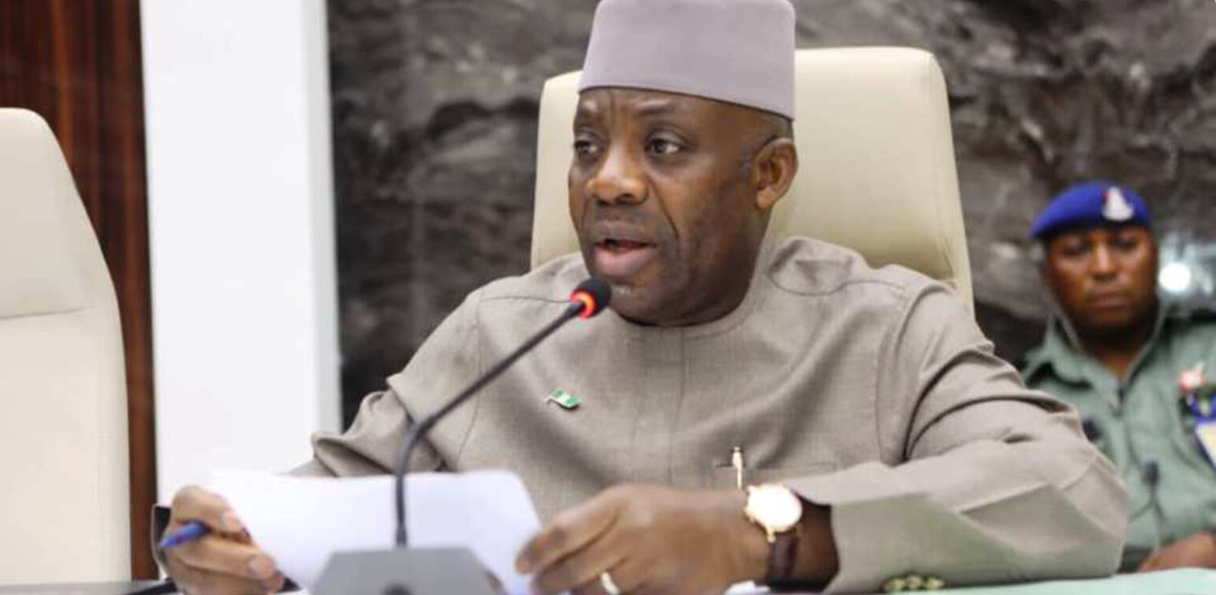
This is not a fairy tale or a hypothetical scenario. It is the current reality of the HOPE Education Programme in Nigeria. During a recent five day executive retreat for Commissioners of Education in Abuja, the Minister of Education, Dr. Tunji Alausa, delivered a message that was part encouragement and part stern warning. The message was simple: the money is on the table, but if the states don't move faster to meet the criteria, the opportunity might just slip through their fingers.
For those who are not familiar with the jargon of international development, let us break down what this 552 million dollar World Bank fund actually is and why it matters to the average Nigerian.
The "HOPE" Model: No Results, No Money
The HOPE Education Programme is not a traditional "dash" or a gift. It operates on what the World Bank calls a "Programme for Results" or PforR model. In plain English, this means the money is tied to performance. It is a bit like a parent telling a child, "I will buy you that new pair of shoes, but only after you show me your report card with good grades."
The fund is designed to reward states that actually show progress in specific areas. We are talking about things like improving the quality of teachers, making education financing more transparent, and ensuring that schools actually have the data they need to function. The goal is to move away from the old way of doing things where money was simply thrown at "projects" that disappeared into thin air. With this model, the state has to hit a "reform milestone" before the cash is released. It is a brilliant way to ensure accountability, but it requires the states to be organized, proactive, and ready to work.
The Bureaucratic Blockage
So, if the money is there and the goals are clear, what is the hold up? According to Dr. Alausa, the problem is largely administrative. Many states have yet to complete the basic requirements needed to even start the process.
First, there is the signing of the Subsidiary Loan Agreements, popularly known as SLAs. This is a legal document that defines the relationship between the state, the federal government, and the World Bank. Without this signature, nothing moves. Second, states need to open designated programme accounts. You cannot receive 500 million dollars into a general government account where it might get mixed up with money meant for road repairs or office furniture. It needs a dedicated home. Third, there is the issue of education data reporting. The World Bank needs to see where we are starting from so they can measure the progress.
It sounds simple, doesn't it? Sign a paper, open an account, and send some data. But in the world of Nigerian bureaucracy, these three steps can sometimes take months or even years. The Minister’s plea to the Commissioners was a call to cut through the red tape and treat this as the emergency that it truly is.
Data is the New Classroom
One of the most practical parts of the Minister’s address was his focus on data. For too long, Nigeria has planned its education system based on guesswork. We often don't know exactly how many students are in a particular local government, how many teachers are actually in the classrooms, or what the state of the desks and chairs really is.
To fix this, the Federal Government is deploying the National Education Data Infrastructure (NEDI) and the Digitalised Nigeria Education Management Information System (DNEMIS). These are high tech names for a very simple and necessary tool: a digital dashboard that gives real time information on every school in the country.
Dr. Alausa praised states like Kaduna and Borno for making progress in their Annual School Census using these digital platforms. Imagine a Governor being able to look at a tablet and see exactly which school in a remote village needs more teachers today. That is the power of data. It stops "ghost teachers" and it ensures that resources go where they are actually needed. The World Bank fund is heavily tied to this digital shift because they know that you cannot manage what you do not measure.
The Trap of the "Smart School"
Perhaps the most "real" and honest part of the Minister’s speech was his warning about "Smart Schools." In Nigeria, we love big, flashy projects. Every Governor wants to commission a "Smart School" with glass walls, air conditioning, and brand new computers. It looks great on television and makes for a wonderful campaign photo.
But Dr. Alausa issued a reality check. He cautioned against spending huge amounts of money on these expensive projects without having a maintenance plan or, more importantly, a plan for the teachers. A smart school without a well trained, well paid teacher is just a very expensive building with dusty computers.
The Minister argued that we should focus on the fundamentals: teacher support, quality learning materials, and a conducive classroom environment for everyone, not just a lucky few in a "model" school. True reform is about the 90 percent of students in regular public schools, not just the 10 percent in a flashy smart school project.
The Challenge of Policy Continuity
Former Aviation Minister Osita Chidoka also added his voice to the conversation, bringing up a point that haunts every Nigerian sector: continuity. In our country, a new Governor often means a new set of priorities. A brilliant education policy started by "Governor A" is often abandoned the moment "Governor B" takes office, simply because they want to start their own "new" initiative.
Chidoka called for reforms that can survive political transitions. We need education laws and structures that are so solid that even if the government changes tomorrow, the investment in teachers and students continues. The World Bank’s HOPE programme is designed to help with this by creating a framework that outlasts any single political administration.
Final Thoughts for the Commissioners
The five day retreat in Abuja was a moment of truth. The World Bank’s representative, Shin Nomura, reaffirmed that the 552 million dollars is ready and waiting. The Federal Government has provided the digital tools and the legal framework. Now, the ball is entirely in the court of the state governments.
If you are a citizen in any of the 36 states, you should be asking your Commissioner of Education: "Have we signed our SLA? Have we opened our programme account? Are we ready for the HOPE fund?"
This is not a time for "business as usual" politics. This is about 552 million dollars that could change the lives of a generation of Nigerian children. We cannot afford to let this money sit in a bank in Washington or Abuja while our classrooms remain empty and our teachers remain untrained. It is time for the states to step up, do the paperwork, and bring that hope home. The children are waiting, and the clock is ticking.