

FG to Blacklist Schools, Publishers Over Unapproved Textbooks
The Federal Government has announced a firm new rule for textbooks used in Nigerian public schools. From September 2026, public schools must use only textbooks that have been evaluated, ranked and approved under the new National Textbook Ranking System.
Schools, publishers and authors who use, produce or distribute unapproved textbooks may face serious sanctions. One of those sanctions is blacklisting. The government says the reform is needed to remove poor textbooks from classrooms and raise the quality of learning materials used across the country.
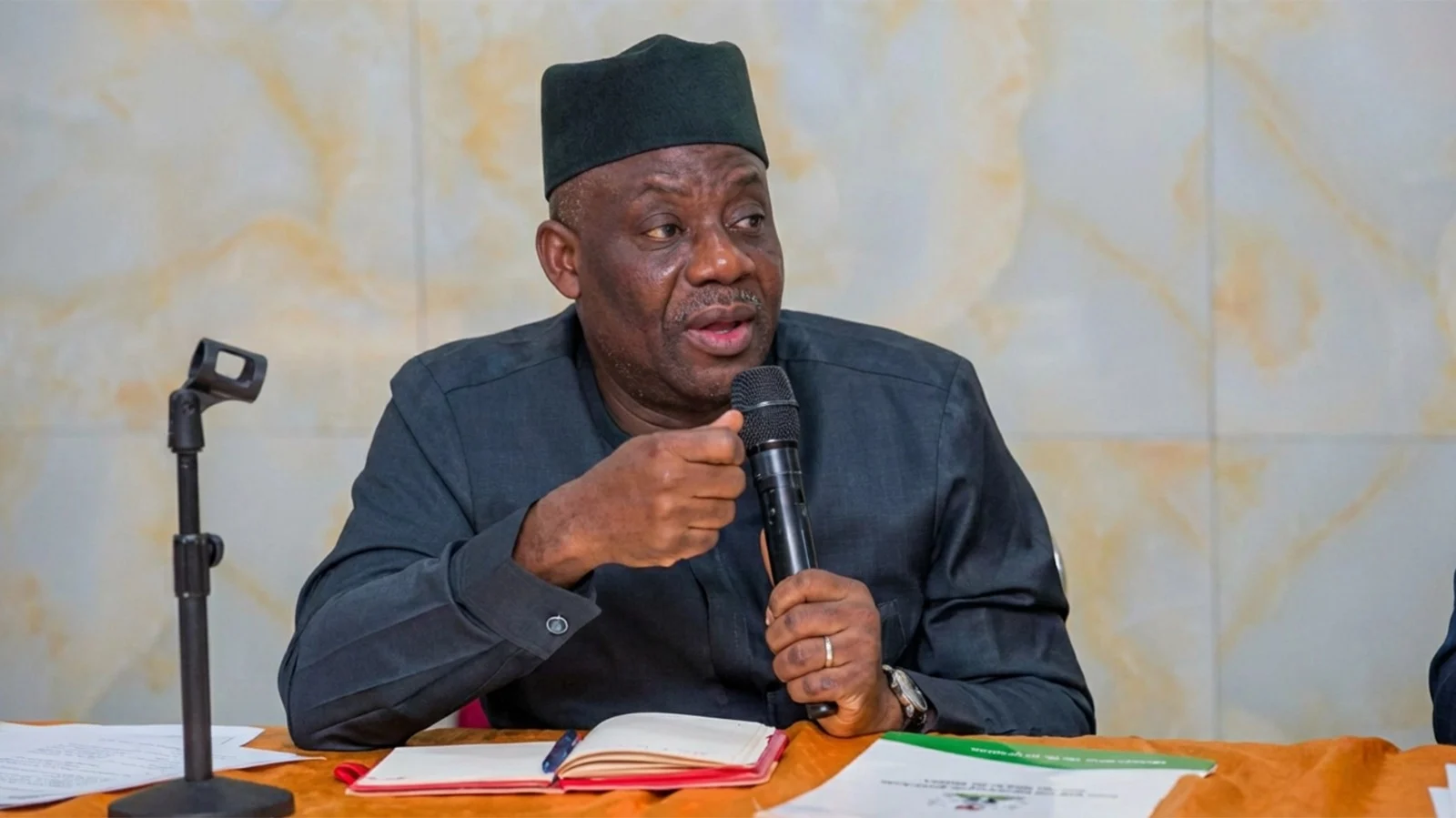
The Minister of Education, Dr Tunji Alausa, announced the policy on Wednesday. He also introduced the newly approved National Textbook Ranking System, which will guide how textbooks are chosen for public schools.
The rule will cover public primary schools, junior secondary schools and senior secondary schools. Once it takes effect, these schools will no longer be free to use any textbook simply because it is available, popular or already being sold. Every authorised textbook must pass the new national process.
Folasade Boriowo, the Director of Press and Public Relations at the Ministry of Education, confirmed the details in a statement obtained by The PUNCH on Thursday.
According to the ministry, the new system is Nigeria’s first transparent and merit-based framework for choosing instructional materials. This means textbooks will be judged through a clear national process and selected because of their quality. The ministry said the framework also follows international standards.
Alausa said the reform has several important goals. It is expected to strengthen curriculum delivery and help teachers use materials that truly match what students are meant to learn. It is also designed to improve learning outcomes, remove substandard textbooks and rebuild public trust in Nigeria’s education system.
A weak textbook can quietly damage a child’s learning. Wrong facts, poor explanations or badly arranged lessons can make a simple topic feel impossible. The new policy aims to stop such materials from entering public classrooms; the government wants approved books to support both teachers and learners.
The Ministry of Education has created a National Textbook Ranking and Selection Committee to manage the process. The committee includes representatives from relevant education agencies and experts in different school subjects.
The committee will work with the Nigerian Educational Research and Development Council, known as NERDC. However, it will not assess every book submitted by any publisher. It will examine only textbooks that have already received an NERDC licence.
After the assessment, the committee will recommend the top-ranked textbooks. Those selected titles will then be sent for final approval by the Minister of Education.
Alausa stressed that an NERDC licence will no longer be enough to place a textbook inside a public school classroom. Licensing is now only the first major step. Every licensed textbook must still face the national evaluation and ranking process before it can receive final approval.
“Every licensed textbook must undergo a rigorous national evaluation and ranking process, attain a minimum score of 70 per cent and satisfy prescribed academic, pedagogical, technical and quality assurance standards before it can be approved,” the statement said.
This means a textbook must score at least 70 per cent. It must meet academic standards, support proper teaching methods and satisfy technical and quality assurance requirements. A licensed textbook that fails these tests will not be approved for use in public schools.
Even among the books that pass, only the highest-performing titles will appear on the final approved list. Each school subject will have between six and 10 approved textbooks. The exact number will depend on the needs of the curriculum for that subject.
The government also reduced the fees publishers must pay for assessment and ranking. The minister said the reduction is meant to ease the financial burden on publishers taking part in the process.
The assessment fee has been reduced from ₦2,000 per page to ₦1,500 per page. The ranking fee for each textbook title has also fallen from ₦1 million to ₦750,000.
Some publishers had already paid the old, higher fees before the new amounts were announced. The government said those publishers will receive refunds for the extra money they paid. NERDC will organise and manage the reimbursement process.
Textbooks approved under the National Textbook Ranking System will remain valid for at least three years. Alausa said this minimum period will help schools and teachers maintain consistency in curriculum delivery. It means approved books will not be changed without enough time for schools to use them properly.
NERDC and other regulatory bodies will monitor schools, publishers and other stakeholders to ensure they follow the new rule. The monitoring will continue after the system takes effect because approval means little if unapproved books still enter classrooms.
“Beginning in September 2026, only textbooks evaluated, ranked and approved under the National Textbook Ranking System will be authorised for use in public schools nationwide,” Alausa said.
He warned that any school, publisher or other stakeholder found using unapproved textbooks would face sanctions, including blacklisting. The warning makes the government’s position clear; the new system is not being presented as a friendly suggestion.
The policy also places responsibility on authors and publishers. They must ensure their textbooks are licensed, properly assessed and approved before the books are distributed for classroom use. Schools must also check the final approved list before selecting instructional materials.
The Ministry of Education repeated the Federal Government’s commitment to giving Nigerian learners access to good instructional materials. It said the chosen textbooks must genuinely support quality teaching and improve learning outcomes.
The reform now carries a clear promise and a hard test. From September 2026, public schools should use only books that have proved their quality through the national process. If the system is properly enforced, weak textbooks will lose their place; but books that truly help children learn will enter the classroom.