

FG Commends Kano's Education Investment as State Recruits Nearly 9,000 Teachers
Nigeria's education sector has received another major boost following the distribution of appointment letters to 4,900 newly recruited teachers and 3,688 facilitators in Kano State, as the government continues its efforts to address teacher shortages and improve learning across the country.
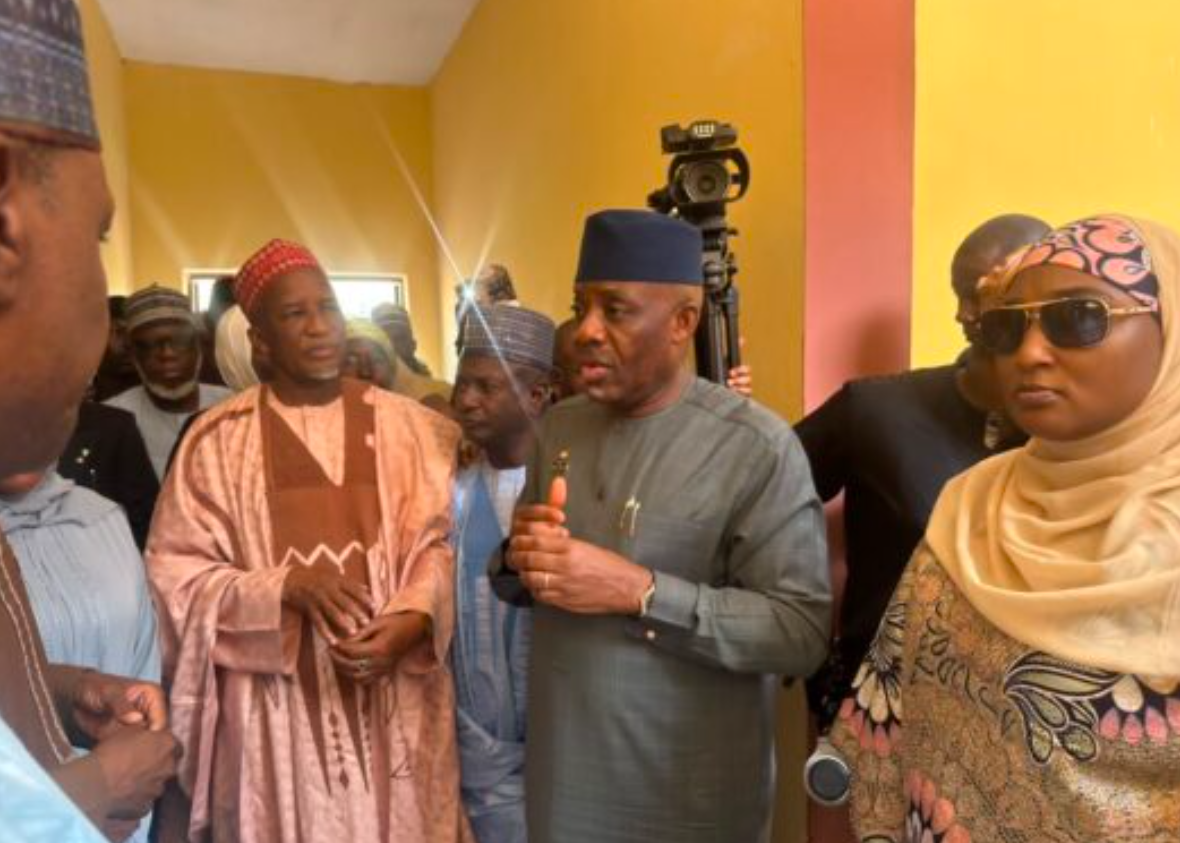
The appointment letters were presented during a ceremony attended by the Minister of Education, Dr. Maruf Tunji Alausa, who used the occasion to remind the new recruits that becoming a teacher comes with responsibilities that go beyond simply showing up in the classroom.
According to the Minister, the quality of Nigeria's future workforce will depend heavily on the quality of education students receive today.
His message to the newly recruited teachers was therefore clear: professionalism, commitment and dedication must remain at the centre of their work.
4,900 Teachers Join Kano's Education Workforce
The latest recruitment exercise is part of Kano State's wider effort to strengthen its public education system.
In addition to the 4,900 teachers, 3,688 facilitators were also appointed under the Better Education Service Delivery for All (BESDA) Cohort V programme.
The scale of the exercise is significant, particularly at a time when teacher shortages remain a major concern in many parts of Nigeria.
Schools can have classrooms, desks and students ready to learn, but without enough qualified teachers, it becomes difficult to provide students with the attention and instruction they need.
For Kano, the latest appointments are expected to help close some of those staffing gaps and improve the availability of teachers across public schools.
But while the number of recruits is important, the Education Minister made it clear that the government's expectations go beyond numbers.
Alausa: Teachers Are Building Nigeria's Future
Addressing the new recruits, Alausa described teachers as being at the heart of efforts to build a globally competitive education system.
He urged them to approach their responsibilities with professionalism and dedication, reminding them that every lesson delivered in a classroom has the potential to influence a student's future.
A teacher's job, in this sense, is about much more than completing a syllabus.
Students depend on their teachers not only to explain academic concepts but also to help them develop confidence, discipline, critical thinking and other skills that can shape their lives beyond school.
The Minister's comments also reflect a wider concern within Nigeria's education system.
As the country seeks to produce graduates who can compete in an increasingly digital and global economy, the quality of teaching becomes even more important.
Students cannot be expected to develop modern skills if the learning environment does not provide them with the right guidance and opportunities.
16,000 Teachers and Facilitators Employed in Three Years
The latest recruitment brings the total number of teachers and facilitators employed by the Kano State Government over the past three years to 16,000.
Alausa described the scale of recruitment as one of the most significant state-level education interventions in recent years.
For Kano, which has a large and growing school-age population, expanding the teaching workforce is particularly important.
More teachers can mean smaller pressure on existing staff and better opportunities for students to receive instruction in the subjects they need.
However, recruitment is only one part of solving the teacher shortage problem.
New teachers also need training, teaching materials, supportive working conditions and opportunities for professional development if the investment is to translate into better learning outcomes.
That is why the emphasis on professionalism during the appointment ceremony is worth noting.
The government is not simply looking for more people in classrooms; it wants those classrooms to provide quality education.
Kano Allocates 32 Per Cent of Its Budget to Education
Another issue highlighted by the Minister was Kano State's financial commitment to education.
According to Alausa, the state currently allocates 32 per cent of its state budget to education.
He described the allocation as an indication of the state government's focus on human capital development.
Investment in education can take many forms.
It can mean employing teachers, building schools, improving classrooms, providing learning materials or introducing technology into the learning process.
Kano's approach appears to be combining several of these areas rather than focusing entirely on recruitment.
And that was evident during the Minister's visit to the state.
Smart Schools Bring Technology Into the Picture
As part of his activities in Kano, Alausa visited the Tarda Smart School in Ungogo Local Government Area.
The visit provided an opportunity to highlight another priority of the Federal Government: the expansion of technology-driven learning.
Smart schools are designed to introduce students to digital tools and technology as part of their education.
For Nigerian students growing up in a world where technology is becoming increasingly important in almost every profession, digital literacy is no longer something that can be treated as an optional extra.
Students will eventually enter workplaces where they may be expected to use digital platforms, analyse information, communicate online and adapt to new technologies.
Giving them exposure to these skills while they are still in school can therefore help prepare them for what comes next.
Alausa described smart schools as an important part of preparing students for the future, reinforcing the Federal Government's wider push for technology in education.
Girls' Education Also Gets Attention
The Minister's Kano itinerary also included a visit to Bayero University, Kano, as well as the commissioning of the newly constructed Government Girls Secondary School in Dangwaro.
The girls' secondary school is particularly significant in the context of efforts to widen access to education for girls.
Across Nigeria, several factors can affect whether girls remain in school, including poverty, distance, insecurity, social expectations and limited access to suitable school facilities.
Building more schools can help address one part of that challenge by bringing educational opportunities closer to communities.
But infrastructure must also be supported by qualified teachers, safe learning environments and policies that encourage girls to stay in school and complete their education.
Governor Yusuf: Every Classroom Needs a Qualified Teacher
Kano State Governor Abba Kabir Yusuf described the recruitment as another important step in the state's education reform programme.
He presented the exercise as evidence of his administration's commitment to ensuring that classrooms have qualified teachers.
The Governor also thanked President Bola Ahmed Tinubu and the Federal Ministry of Education for their continued support.
His comments highlight the importance of cooperation between state and federal governments.
Education is a shared responsibility in Nigeria, and improvements at the state level can be strengthened when they are supported by federal programmes, funding and policy direction.
Why the Kano Recruitment Matters
Teacher shortages remain one of the persistent challenges facing Nigeria's public education system.
The problem can be particularly serious in northern states, where large populations and rapid growth in the number of school-age children can put additional pressure on existing schools.
Kano's latest recruitment therefore has the potential to make a meaningful difference if the teachers are properly deployed and supported.
It also shows that solving education challenges requires more than one intervention.
Recruiting teachers addresses staffing. Building new schools expands access. Smart schools introduce technology. Investment in girls' education helps address inequalities in access.
Together, these efforts can contribute to a stronger education system.
For students, having enough teachers is only the beginning. They also need to develop good study habits and have opportunities to reinforce what they learn in class. Digital learning platforms such as La-Net Hub can complement classroom instruction by helping students revise lessons, practise questions and build confidence in difficult subjects.
The Bigger Question: What Happens Next?
Kano's recruitment of 4,900 teachers is undoubtedly significant, especially when combined with the 3,688 BESDA facilitators and the state's reported total of 16,000 education workers recruited over three years.
But the real measure of success will not simply be the number of appointment letters handed out.
It will be seen in classrooms.
Are students learning better? Are teachers adequately supported? Are schools in rural communities receiving the staff they need? Are girls staying in school? Are students gaining the digital and practical skills required for the modern economy?
Those are the questions that will ultimately determine whether the investment delivers the results Kano and Nigeria need.
For now, however, the latest recruitment represents a positive step for the state's education system.
With thousands of new teachers entering classrooms, new schools being commissioned and greater attention being given to technology-driven learning, Kano is positioning education as a central part of its development agenda.
The challenge now is to ensure that the momentum does not stop at recruitment, but continues all the way to better teaching, stronger learning outcomes and brighter opportunities for the students sitting in Kano's classrooms today.