

The Big Debate: Why Private Universities in Nigeria are Calling for a Seat at the Government Table
In the world of Nigerian education, there is an old narrative that everyone seems to believe. It is the idea that if you are a student in a public university, you are part of the struggling masses, but if you are in a private university like Baze University in Abuja, you are living the life of luxury and your school is basically a money printing factory for its owners. We see the beautiful gate, the manicured lawns, and the stable academic calendar, and we assume that these institutions are swimming in profit.
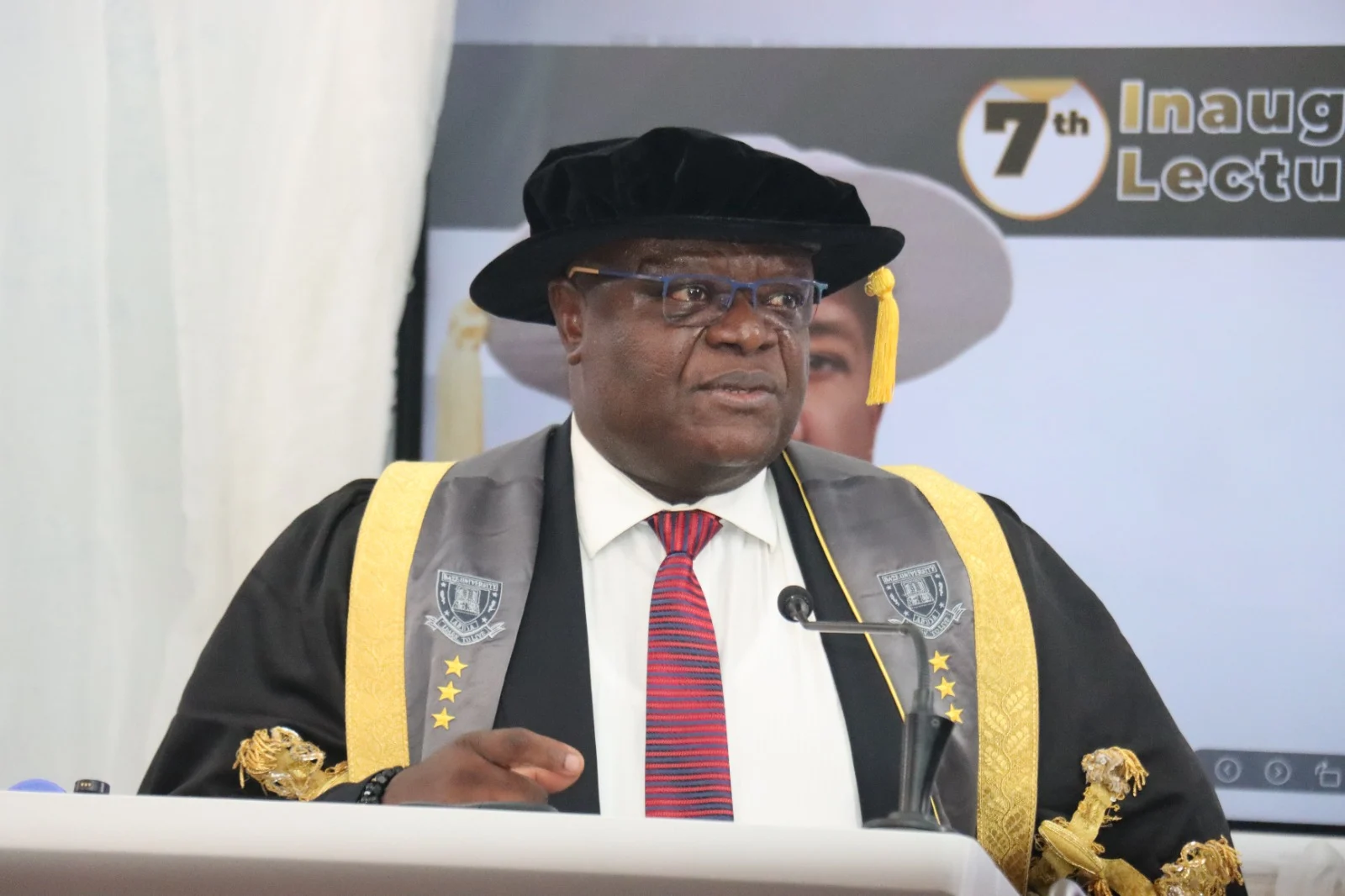
But if you sit down and talk to the people who actually run these schools, you will find a very different and much more practical reality. Prof Abiodun Adeniyi, the Vice Chancellor of Baze University, recently spoke to journalists in Abuja and he did not hold back. He addressed the elephant in the room by making a very strong case for why the government should stop treating private universities like outsiders and start seeing them as essential partners in building the future of Nigeria.
Prof Adeniyi made a point that many people find hard to digest at first. He argued that private universities are currently under massive financial pressure and that they deserve a share of the support from the Tertiary Education Trust Fund, which is popularly known as TETFund. It is a bold move, but when you look at the facts, his argument is grounded in some very real, human challenges.
The Expensive Reality of Running a Private University
The first thing the Vice Chancellor did was to smash the myth that private universities are purely for profit businesses. In his words, anyone who thinks a private university is just a profit making organization is making a massive mistake. To understand why he said this, we have to look at the day to day costs of keeping a university running at a high level.
In Nigeria, providing utilities is a nightmare for any large institution. While public universities get their electricity and water bills subsidized or covered by the government, a place like Baze University has to fund every single liter of diesel for its generators. They have to pay for their own security, their own water treatment, and their own high speed internet. When the cost of fuel goes up, the school has to absorb that cost without running to the government for a bailout.
Then there is the issue of staff. To keep a university accredited by the National Universities Commission and to ensure that the students are actually learning something useful, you have to hire top tier lecturers. These are professors who could easily find jobs in the United States or the United Kingdom. To keep them in Abuja, you have to pay them well and provide a conducive environment for their research. When you add the cost of capital intensive projects like building new engineering labs or medical centers, you start to see that the tuition fees being paid by students are quickly swallowed up by the cost of maintenance and growth.
The National Human Capital Argument
The strongest part of Prof Adeniyi’s argument is based on the graduates themselves. Think about this for a minute. When a student graduates from Baze University with a degree in Computer Science or Law, where do they go? They do not go to a special private university country. They enter the Nigerian workforce. They serve in the National Youth Service Corps. They pay taxes to the Nigerian government. They start businesses that employ other Nigerians.
The Vice Chancellor’s point is that if these students are going to contribute to the national human capital of Nigeria, why should their education be funded entirely by their parents while the government supports their peers in public schools? We are all citizens of this country, he noted. His push for TETFund support is not about the government giving money to a private owner. It is about the government investing in the Nigerian students who happen to be studying in a private institution.
Currently, TETFund is funded by an education tax that is paid by registered companies in Nigeria. Many of the parents who pay tuition at Baze University are the same people running the companies that pay this tax. It seems only fair that the fund should support research and infrastructure in the institutions where their children are being trained.
Baze University at Fifteen: A Vision of Global Competition
Baze University is not just any school. It was founded about fifteen years ago by Senator Datti Baba Ahmed with a very specific goal: to create an institution in Nigeria that could compete with the best in the world. Being located in the heart of Abuja gives it a unique advantage. It is accessible to students from every corner of the country and even from neighboring West African nations.
Despite the fact that the school has never received a single kobo in direct government funding, it has managed to stay compliant with every regulation from the National Universities Commission and the Joint Admissions and Matriculation Board. Prof Adeniyi emphasized that the university has worked hard to keep its fees competitive while still investing in things like global faculty recruitment.
The school is even planning to bring in external examiners from abroad to check the performance of its lecturers. This is a very practical way of ensuring that a Baze University degree carries the same weight in London or New York as it does in Abuja. It is about building a brand that Nigeria can be proud of on the international stage.
Breaking the Stereotypes
There is a common perception that Baze University is only for the children of the political elite. Prof Adeniyi was quick to push back on this. While the school does attract the children of prominent people, it has a very diverse student body. There are students from various backgrounds and from different African countries like Sierra Leone and Kenya.
The school is also heavily involved in the World Bank supported IDEAS program, which is designed to give students practical and transferable skills. The goal is to make sure that when a student graduates, they are not just carrying a piece of paper. They are carrying the ability to solve problems and create value in the marketplace. Research, as the Vice Chancellor noted, is the hallmark of development, and the school is building partnerships to make sure their research actually impacts society.
A Call for a More Inclusive Education Policy
The rise of private universities in Nigeria is a direct response to the crisis in public education. Public universities are often overcrowded, underfunded, and plagued by strikes that leave students at home for months. Private universities provide the stability and the facilities that the government currently cannot provide for everyone.
If the government wants to truly solve the education crisis, it must start seeing private universities as part of the solution. By including them in things like TETFund research grants or infrastructure support, the government can help lower the overhead costs for these schools. In the long run, this could even lead to more affordable tuition fees, making quality private education accessible to even more Nigerians.
Prof Adeniyi’s message is clear: the goal of education is the same whether the school is public or private. We are all building the same nation. It is time for the government to step up and support the institutions that are holding up a significant portion of the Nigerian education system. Whether you are a student at a federal university or a private one, you are a part of Nigeria’s future, and that future is worth investing in. The current model of leaving private universities to sink or swim on their own is not just difficult for the schools; it is a missed opportunity for the entire country.