

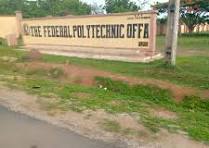
Advocacy Group Sues Federal Polytechnic Offa Over Alleged Procurement Secrecy
Procure Watch Nigeria has taken the Federal Polytechnic, Offa, to court over an alleged failure to release information about its procurement processes. The procurement advocacy group said the institution, located in Kwara State, refused to provide important procurement records that should be open to the public under the Freedom of Information Act 2011.
Procure Watch believes the alleged refusal breaks the law and blocks the public from seeing how money is spent at the polytechnic.
The group announced the legal action while speaking to journalists. Its legal counsel, Barrister Temi Salami, explained why the organisation decided to file the lawsuit. According to Salami, the Federal Polytechnic, Offa, failed to disclose key information about its procurement activities, even though the Freedom of Information Act requires public institutions to provide access to such records. Procurement covers the process through which a public institution buys goods, pays for services or awards contracts. Because public money is involved, Procure Watch argues that the process should be open enough for citizens to examine. The group said the lack of information raises serious questions about the integrity of public spending at the polytechnic. It wants to know how procurement decisions were made and how public funds were used.
Procure Watch has not asked the public to accept hidden spending without questions. It has gone to court because it believes the institution must show the records and allow proper public review.
“Access to information is a fundamental right enshrined in the Freedom of Information Act 2011,” Salami said.
His statement placed the case on the right of citizens to receive public information. The group believes access is not a favour that an institution may give only when it feels comfortable; it is a right protected by law. Salami said the polytechnic’s alleged refusal to release the procurement details denied the public an important opportunity. Without the records, citizens cannot properly examine how the institution uses money placed under its control.
Public funds belong to the public. Procure Watch’s argument is simple; when a public institution spends such money, the people should be able to ask questions and see the information required by law.
However, the lawsuit is not itself a final court judgment against the polytechnic. Procure Watch has made allegations and is asking the court to act. The court will consider the case through the legal process.
The main request in the suit is clear. Procure Watch wants the court to order the Federal Polytechnic, Offa, to release its procurement records. The group said the records should be provided in line with the Freedom of Information Act 2011. It is asking the law to open a door that it believes the institution has kept closed.
Procure Watch described the case as an important step in a wider effort to strengthen transparency in Nigeria’s public institutions. The organisation also linked the case to accountability. Public officials and institutions should be able to explain the choices they make and the way they use public resources. Good governance is another goal named by the group. Procure Watch believes public institutions can serve people better when their decisions are open, their records can be checked and the law is respected.
The case is therefore bigger than one request for documents, according to the organisation. It sees the lawsuit as part of a national struggle over how public bodies handle information and public money.
Procure Watch said it has received support from several groups and individuals. These include non-governmental organisations, commonly called NGOs. Civil society organisations have also backed the case, according to the group. Members of the public have shown support as well. The organisation said these supporters view the lawsuit as part of the broader fight against corruption and the misuse of public resources.
Corruption can grow when important actions take place in darkness. Procure Watch believes access to procurement records can allow citizens and organisations to examine spending and demand answers where necessary. The group’s position is that public review should not be treated as an attack on an institution. It is part of the system that helps ensure public money is used for the purpose for which it was provided.
Olanike Jimson also spoke on behalf of Procure Watch Nigeria. Jimson said the organisation remains committed to promoting transparency, accountability and the rule of law across Nigeria’s public institutions. The rule of law requires institutions and individuals to obey the law. Procure Watch believes this duty includes public educational institutions.
The lawsuit now places the dispute before the court. Procure Watch wants a legal order that will force the polytechnic to release the requested procurement information.
At the centre of the case is a basic public question. How is public money being used, and can citizens see the records that explain the spending?
For Procure Watch, the answer should not be hidden. The group argues that access to the information is a legal right and a necessary part of honest public administration. The organisation has framed the legal action as a defence of citizens, transparency and responsible spending. It says public institutions must not close their doors when people ask lawful questions about public funds.
The Federal Polytechnic, Offa, now faces the group’s allegations in court. Procure Watch is asking for records, not silence; and it wants the Freedom of Information Act 2011 to be fully respected.
The final outcome will depend on the legal process. But the organisation’s demand remains firm: release the procurement records, allow public scrutiny and let accountability stand in the open.