

Top 10 Skills Every Student Should Learn Before Graduating
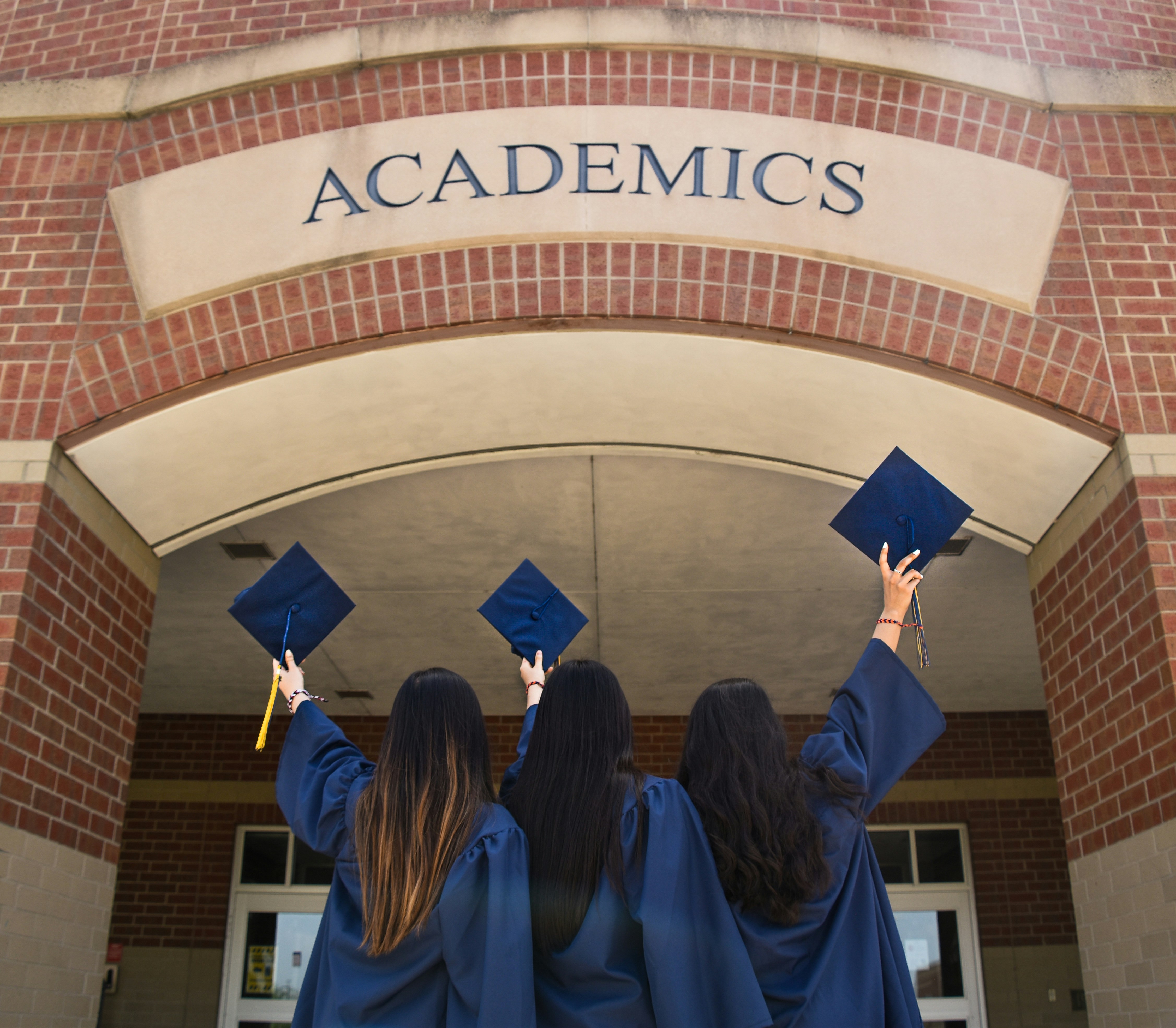
Graduation day is one of those moments students spend years looking forward to. After the exams, assignments, deadlines and long nights of studying, finally holding that certificate can feel like the reward for everything you have worked for.
But while a certificate is important, it is no longer enough on its own.
The world students are graduating into is changing quickly. Employers are looking for people who can do more than simply show that they passed their courses. They want graduates who can communicate, solve problems, work with others, use technology and adapt when things do not go according to plan.
The same applies to students who want to become entrepreneurs or continue their education. Academic knowledge gives you a foundation, but practical skills help you use that knowledge in the real world.
The good news is that you do not have to wait until graduation to develop these abilities. In fact, school and university are some of the best places to start.
Here are 10 important skills every student should try to develop before leaving school or university.
1. Communication Skills
Being able to communicate effectively can make a huge difference in almost every area of life.
Communication is not just about speaking confidently. It also involves writing clearly, listening carefully and knowing how to express your ideas in a way that other people can understand.
A student who can communicate well will generally find it easier to participate in class discussions, give presentations, write professional emails, defend an idea and interact with colleagues.
This becomes even more important when you enter the workplace. You may have excellent technical knowledge, but if you cannot explain your ideas clearly, it can be difficult for others to recognise your value.
Start practising now. Take presentations seriously, participate in discussions and learn how to write professional messages and emails.
2. Critical Thinking
Not everything you see online or hear from another person is automatically true.
Critical thinking teaches you to slow down, ask questions and examine information before accepting it.
Instead of simply asking, “What does this person say?”, ask, “What evidence supports this?” and “Is there another way of looking at this situation?”
This skill is useful in school, but it becomes even more valuable outside the classroom.
Whether you are deciding which business opportunity to pursue, evaluating information on social media or dealing with a difficult situation at work, critical thinking can help you make more informed decisions.
3. Digital Literacy
Technology is no longer something reserved for computer science students.
Almost every industry now relies on digital tools in one way or another. Teachers use online platforms, businesses manage customers digitally, hospitals use technology to store information, and professionals communicate through various digital channels.
Students should therefore be comfortable using computers, online research tools and productivity software.
Basic knowledge of tools such as Microsoft Office, Google Workspace and cloud storage can be useful. Students should also understand basic cybersecurity, including how to protect passwords, recognise suspicious links and use the internet responsibly.
You do not need to become a technology expert, but being digitally confident can give you a significant advantage.
4. Time Management
There is always something competing for a student's attention.
Lectures, assignments, exams, social activities, family responsibilities and personal interests can quickly become overwhelming when there is no proper plan.
Good time management helps you decide what needs to be done first and prevents important tasks from constantly being pushed until the last minute.
Simple tools can make a difference. A physical planner, phone calendar or productivity app can help you keep track of deadlines and organise your day.
Learning this skill while you are still a student can save you a lot of stress when you eventually have to manage multiple responsibilities at work.
5. Financial Literacy
One of the skills many students do not learn enough about in school is how to manage money.
Knowing how to earn money is important, but knowing how to manage it is just as important.
Financial literacy includes understanding budgeting, saving, investing, debt and responsible spending.
You do not need to become an investment expert immediately. Start with the basics. Know how much money comes in, understand where it goes and develop the habit of saving when possible.
These small habits can become extremely valuable later in life, particularly when you begin earning a regular income.
6. Problem-Solving Skills
Problems are unavoidable.
You will face difficult assignments, disagreements with people, unexpected changes at work and situations where there is no obvious answer.
Problem-solving involves identifying what is wrong, considering possible solutions and deciding which approach is most likely to work.
Students can develop this skill by taking group projects seriously, working through challenging questions and looking for different ways to approach difficult tasks.
Employers value people who do not immediately give up when they encounter a problem.
Sometimes, being the person who can calmly say, “Let's figure this out,” is more valuable than being the person who simply knows the textbook answer.
7. Teamwork and Collaboration
Most careers involve working with other people.
You may have to work with colleagues who think differently from you, have different personalities or approach tasks in completely different ways.
Learning how to collaborate, share responsibilities and resolve disagreements respectfully is therefore essential.
Group assignments can sometimes be frustrating, but they provide useful practice.
Learn how to contribute without trying to control everything, listen to other people's ideas and take responsibility when something goes wrong.
Good teamwork can make you valuable in almost any organisation.
8. Adaptability
The job market students enter after graduation may look very different from the one that existed when they started school.
Technology is changing industries, new careers are emerging and some traditional roles are evolving.
This makes adaptability increasingly important.
Being adaptable means being willing to learn something new when circumstances change. It means being open to feedback and not being afraid to admit that you need to improve.
A graduate who is willing to learn can often remain valuable even when the industry around them changes.
9. Leadership Skills
Leadership does not begin when someone gives you a managerial position.
Students can develop leadership long before they enter the workplace.
You can practise it by leading a group assignment, participating in a student organisation, volunteering for a community project or taking responsibility for an initiative.
Good leadership is not simply about telling people what to do. It involves taking responsibility, making thoughtful decisions, motivating others and demonstrating integrity.
Even if you never become a manager, leadership skills can help you become more confident and responsible in your professional and personal life.
10. Basic Coding and Technology Skills
You do not have to study Computer Science to benefit from learning how technology works.
Basic coding can improve logical thinking and problem-solving, while giving students an introduction to one of the fastest-growing areas of the modern economy.
Beginners can start with technologies such as Python, JavaScript, HTML and CSS.
The goal is not necessarily to become a professional programmer. Rather, learning basic coding can help students understand how digital products are created and potentially open doors to opportunities they had never considered.
A student studying healthcare, business, engineering, education or even the arts can still benefit from understanding technology.
Why These Skills Matter
Academic knowledge remains extremely important. Your degree, diploma or professional qualification can open doors that would otherwise be difficult to access.
But what you do after getting through that door often depends on what else you can bring to the table.
Can you communicate your ideas? Can you solve problems without constant supervision? Can you work with other people? Can you learn new technology? Can you manage your time and money?
These are the kinds of abilities that help turn academic knowledge into practical results.
Students can also strengthen their academic foundation by developing consistent study habits. Using learning resources such as La-Net Hub to revisit lessons, practise questions and identify areas that need more attention can complement what is taught in the classroom.
Graduation Is a Beginning, Not an Ending
One of the biggest mistakes students can make is thinking that learning ends when they collect their certificates.
Graduation is actually when continuous learning becomes even more important.
Your first job may require skills you were never taught in school. A business opportunity may force you to learn about marketing or finance. A change in technology may require you to learn a completely new tool.
The ability to keep learning may therefore become one of your greatest advantages.
A certificate can show people what you studied. Your skills show them what you can do with what you learned.
For students preparing to take their next step, the best approach is not to choose between academic qualifications and practical skills. Build both.
The students who leave school with knowledge, confidence, practical abilities and a willingness to keep learning will be in a much stronger position to take advantage of whatever opportunities come their way.